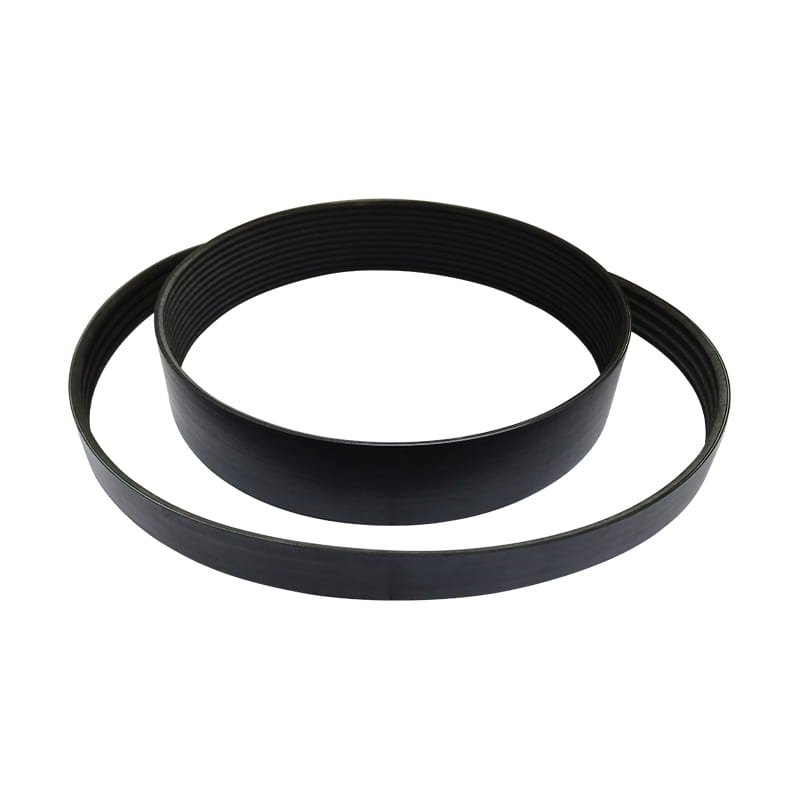
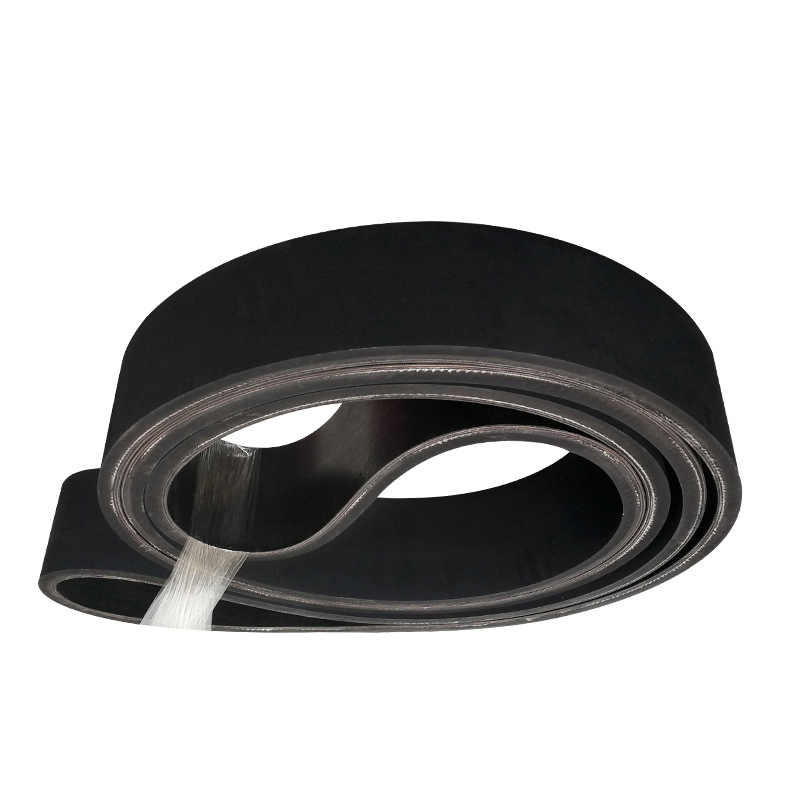
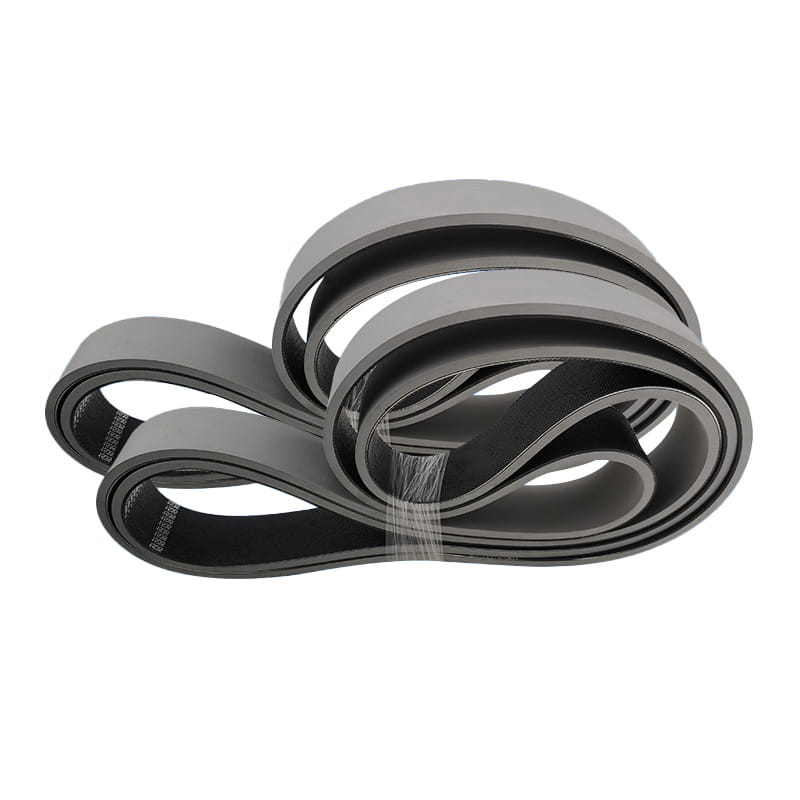
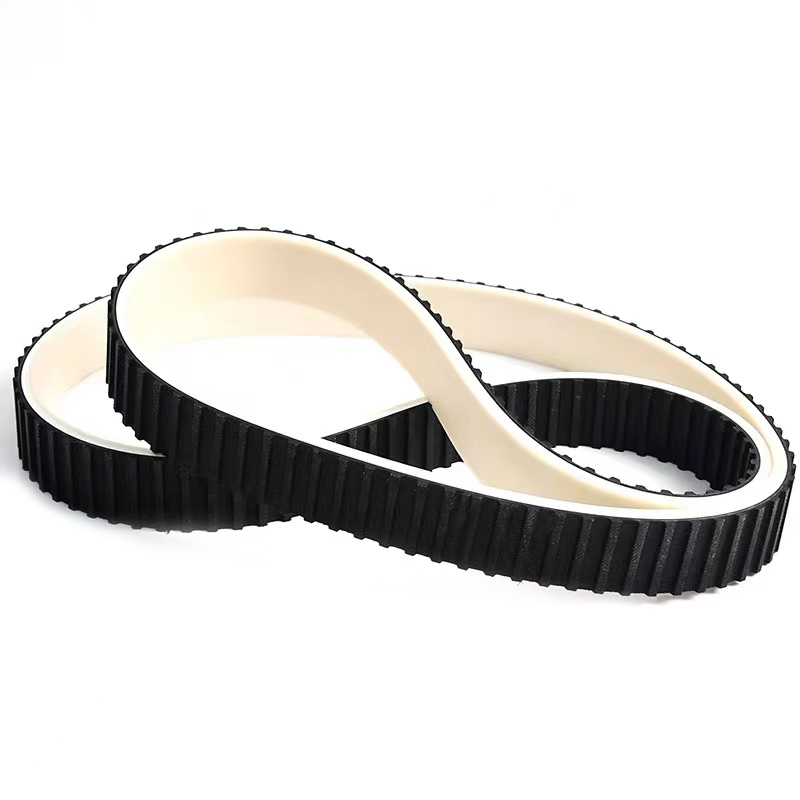
Sabuk berlapis karet digunakan di berbagai industri di mana diperlukan transmisi daya yang danal, kontrol gerakan yang presisi, atau pengangkutan material yang efisien dalam kondisi yang menuntut. Tujuan inti mereka adalah untuk mengirimkan kekuatan mekanik, menyinkronkan gerakan, atau mengangkut material antara dua titik atau lebih sekaligus memberikan cengkeraman, fleksibilitas, daya tahan, dan ketahanan terhadap keausan, panas, minyak, dan bahan kimia yang secara unik ditawarkan oleh karet sebagai bahan permukaan.
Dari jalur pengemasan dan pencetakan berkecepatan tinggi hingga pemrosesan makanan, pertanian, pertambangan, manufaktur otomotif, dan logistik, sabuk berlapis karet merupakan komponen mekanis penting yang ditemukan di hampir setiap sektor industri modern. Keserbagunaannya berasal dari kemampuannya untuk menyesuaikan kompon karet, ketebalan lapisan, tekstur permukaan, dan konstruksi sabuk yang mendasarinya dengan kebutuhan yang tepat pada setiap aplikasi — menciptakan satu kategori produk dengan jangkauan kegunaan fungsional yang sangat luas.
Transmisi Daya dan Sinkronisasi Gerakan
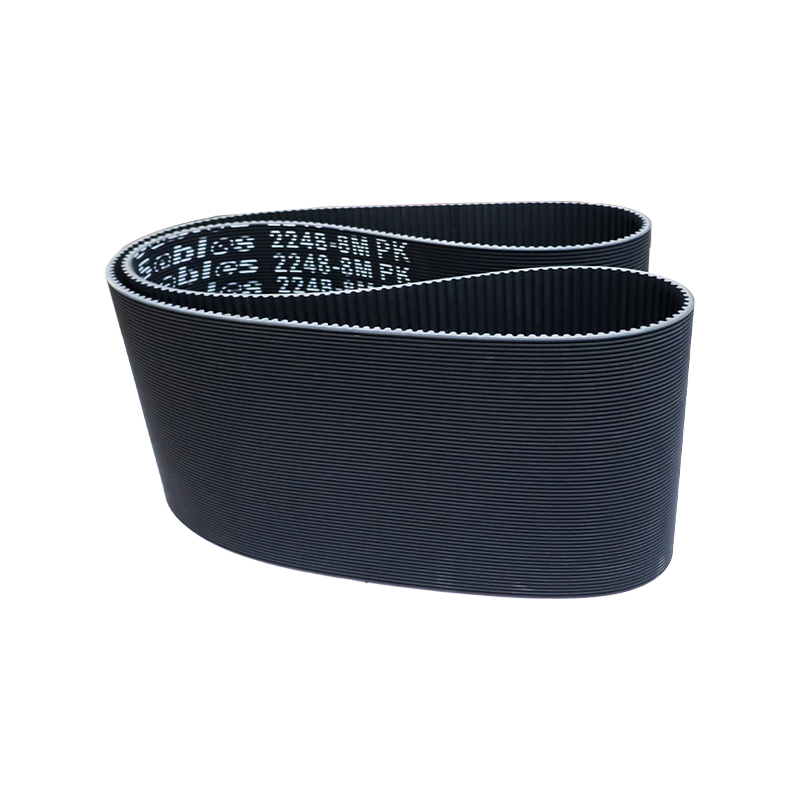
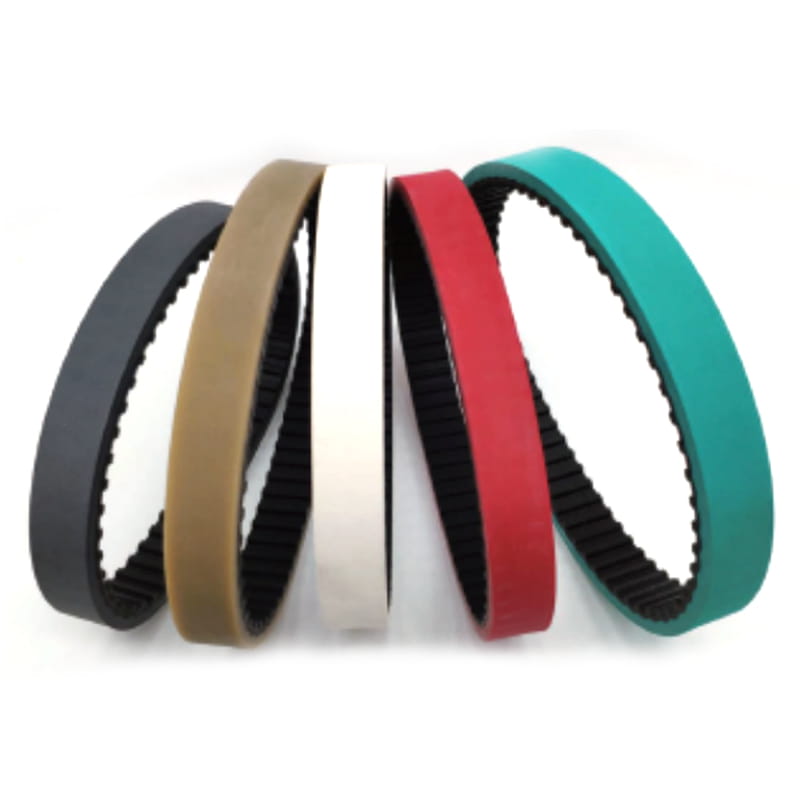
Salah satu kegunaan utama sabuk berlapis karet adalah untuk mentransmisikan daya rotasi antar poros dan untuk menyinkronkan gerakan komponen mekanis dalam mesin. Sabuk karet sinkron — juga disebut sabuk timing karet — menggunakan profil bergerigi pada permukaan bagian dalam yang menyatu dengan alur katrol yang serasi untuk menghasilkan transmisi daya bebas slip dan waktunya tepat .
Sabuk Sinkron Karet pada Mesin Industri
Sabuk karet sinkron digunakan di mana pun posisi relatif poros penggerak dan penggerak harus dipertahankan dengan pengaturan waktu yang tepat. Berbeda dengan sabuk V atau sabuk datar yang mengandalkan gesekan dan dapat tergelincir saat terkena beban, sabuk sinkron mempertahankan a rasio kecepatan tetap dengan slip nol , menjadikannya sangat diperlukan dalam aplikasi yang mengutamakan akurasi posisi atau sinkronisasi fase. Kegunaan industri yang umum meliputi:
- Peralatan mesin CNC: Sistem penggerak sumbu memerlukan pemosisian yang presisi dan berulang — sabuk karet sinkron mengirimkan torsi motor ke sekrup bola atau sekrup timah dengan akurasi yang dijaga hingga sepersekian milimeter
- Mesin percetakan dan pengemasan: Beberapa kepala cetak, stasiun pemotongan, dan mekanisme pelipatan harus beroperasi dalam hubungan fase yang tepat — sabuk sinkron mengoordinasikan elemen-elemen ini dengan kecepatan hingga 50 m/s dengan akurasi waktu ±0,1 mm
- Mesin tekstil: Alat tenun, rangka pemintal, dan mesin rajut menggunakan sabuk sinkron untuk mengoordinasikan gerakan ratusan elemen mekanis yang harus bekerja dalam urutan yang tepat.
- Sistem otomasi berbasis servo: Lengan robot, aktuator linier, dan sistem pick-and-place mengandalkan sabuk karet sinkron untuk menerjemahkan keluaran motor servo putar menjadi gerakan linier atau putar yang akurat di efektor akhir
Sabuk Karet Dua Sisi untuk Tata Letak Drive yang Kompleks
Sabuk berlapis karet dua sisi — dengan permukaan bergerigi atau gesekan pada permukaan bagian dalam dan luar — digunakan dalam sistem penggerak serpentin di mana sabuk harus menghubungkan katrol di kedua sisi secara bersamaan. Hal ini memungkinkan satu sabuk untuk menggerakkan beberapa poros yang berputar ke arah berlawanan, yang biasa digunakan pada kotak roda gigi multi-output, peralatan pertanian, dan rangkaian penggerak industri kompleks yang mengutamakan kekompakan dan mengurangi jumlah komponen.
Pengolahan Makanan dan Aplikasi Pertanian
Sektor pengolahan makanan dan pertanian mewakili beberapa lingkungan yang paling menuntut kinerja belt — menggabungkan kebutuhan akan penanganan produk yang lembut dengan ketahanan terhadap kelembapan, suhu ekstrem, bahan kimia pembersih, dan penggunaan berat yang terus menerus. Sabuk berlapis karet dirancang khusus untuk kondisi ini dan melayani berbagai tujuan penting dalam lini pemrosesan makanan dan pertanian.
Pemisahan Ikan dan Pengolahan Makanan Laut
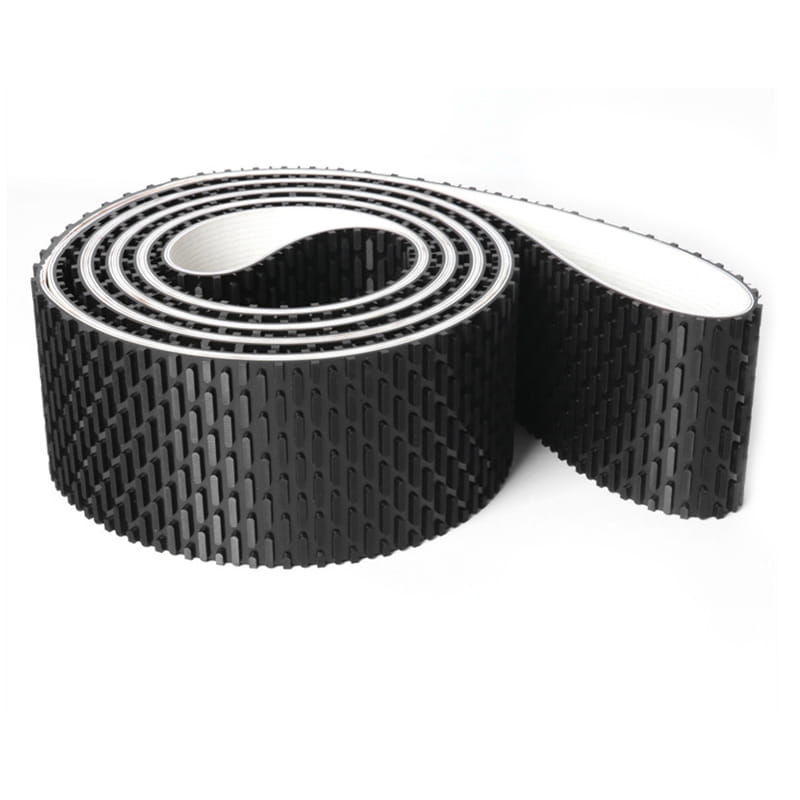
Sabuk pemisah ikan berlapis karet yang dirancang khusus digunakan di fasilitas pemrosesan makanan laut untuk memisahkan, mengarahkan, dan membawa ikan dan kerang melalui jalur pemrosesan dengan lembut namun efisien. Lapisan permukaan karet menyediakan cengkeraman yang tepat dan pelepasan yang terkontrol diperlukan untuk menangani produk-produk halus tanpa kerusakan, sementara ketahanan sabuk terhadap air garam, minyak ikan, dan seringnya pencucian dengan bahan kimia sanitasi memastikan masa pakai yang lama di lingkungan yang keras ini.
Desain sabuk pemisah ikan biasanya menggabungkan fitur permukaan karet yang diprofilkan secara khusus — sirip, rusuk, atau pola bertekstur — yang mengarahkan atau memisahkan produk berdasarkan ukuran saat bergerak di sepanjang sabuk, sehingga mengotomatiskan operasi penyortiran yang biasanya memerlukan tenaga kerja manual.
Pemotongan Sayuran dan Pengolahan Hasil
Sabuk pemotong sayuran menggunakan lapisan karet yang dioptimalkan untuk kontak dengan makanan, memberikan pegangan yang diperlukan untuk menahan sayuran dengan kuat pada posisinya relatif terhadap pisau pemotong sekaligus memastikan pemotongan yang konsisten dan presisi pada hasil yang tinggi. Kompon karet yang digunakan dalam pelapis sabuk kontak makanan harus memenuhi standar keamanan pangan — biasanya Peraturan kontak makanan FDA 21 CFR atau EU 10/2011 — memastikan bahwa tidak ada zat berbahaya yang bermigrasi dari karet ke dalam produk makanan.
Selain jalur pemotongan, sabuk berlapis karet digunakan di seluruh proses produksi untuk pencucian, penyortiran berdasarkan berat atau sifat optik, pengupasan, blansing pakan, dan pengemasan. Kombinasi kompon karet yang aman untuk makanan, desain sabuk higienis dengan zona perangkap partikel minimal, dan ketahanan terhadap bahan kimia sanitasi yang digunakan dalam pencucian pabrik pangan menjadikan sabuk berlapis karet sebagai solusi pilihan untuk aplikasi ini.
Pemisahan Kulit Kacang dan Pengolahan Biji-bijian
Sabuk cangkang kacang adalah sabuk berlapis karet yang dirancang khusus untuk digunakan di fasilitas pemrosesan kacang untuk memecahkan cangkang dan memisahkan inti dari bahan cangkang secara efisien. Kekerasan, ketahanan, dan profil permukaan lapisan karet dirancang untuk menerapkan jumlah gaya tekan atau geser yang tepat yang diperlukan untuk mematahkan cangkang tanpa merusak inti kacang — keseimbangan yang bervariasi menurut spesies kacang dan memerlukan pemilihan kompon karet yang cermat. Prinsip serupa berlaku dalam pemrosesan biji-bijian, di mana sabuk berlapis karet membawa, mengangkat, dan mengupas biji-bijian sereal secara perlahan dengan tingkat hasil yang tinggi.
Percetakan, Pengemasan, dan Pemrosesan Kertas
Industri percetakan, pengemasan, dan kertas merupakan salah satu pengguna terbesar sabuk berlapis karet khusus. Aplikasi ini menuntut presisi ekstrem, kecepatan pengoperasian sangat tinggi, dan sifat permukaan konsisten yang harus dipertahankan selama jutaan siklus belt tanpa degradasi.
Sabuk Mesin Pengepakan dan Percetakan Berkecepatan Tinggi
Belt berlapis karet tak berujung untuk mesin pengepakan dan pencetakan berkecepatan tinggi harus bekerja dengan andal pada kecepatan belt yang bisa melebihi 10–15 meter per detik dalam operasi berkelanjutan. Belt ini mempunyai beberapa fungsi dalam jalur pengemasan: mengumpankan substrat (kertas, film, foil, papan) ke dalam stasiun pencetakan dengan tegangan yang dikontrol secara tepat; mengangkut produk yang dicetak atau diberi label antar stasiun proses; dan menggerakkan mekanisme perekat folder, pemotong-pembuat, dan pembentuk kantong dalam sinkronisasi yang tepat.
Lapisan permukaan karet pada sabuk pengumpan mesin cetak harus memberikan cengkeraman yang konsisten dan terkendali pada media — cukup kuat untuk mencegah selip yang dapat menyebabkan kesalahan pencatatan, namun cukup lembut untuk menghindari penandaan pada permukaan cetakan yang halus. Kekerasan permukaan, koefisien gesekan, dan sifat anti-statis semuanya ditentukan secara cermat untuk setiap aplikasi pencetakan.
Sabuk Pengumpan Dilapisi untuk Penanganan Lembaran dan Jaring
Sabuk pengumpanan berlapis digunakan pada mesin fotokopi, printer, mesin penghitung mata uang, peralatan penanganan uang kertas, dan sistem pemrosesan dokumen untuk mengambil dan memasukkan lembaran-lembaran individual dari tumpukan atau untuk memajukan jaring kontinu melalui mesin dengan kecepatan yang dikontrol secara tepat. Lapisan karetnya koefisien gesekan, kekerasan permukaan (biasanya Shore A 40–70), dan konsistensi durometer sangat penting untuk pemisahan dan pengumpanan satu lembar yang andal tanpa salah pengumpanan, pengumpanan ganda, atau kemacetan. Bahkan variasi kecil dalam kekerasan permukaan pada lebar belt dapat menyebabkan kemiringan lembaran yang diumpankan, sehingga toleransi produksi yang ketat menjadi penting.
Penyampaian dan Penanganan Material
Konveyor berlapis karet dan sabuk datar adalah salah satu jenis sabuk yang paling banyak digunakan dalam penanganan material industri, menawarkan cengkeraman, daya tahan, dan kapasitas menahan beban yang diperlukan untuk mengangkut material curah, komponen terpisah, dan produk jadi dengan andal melintasi jalur pengangkutan horizontal, miring, dan melengkung.
Penyampaian Cenderung dan Tinggi
Koefisien gesekan yang tinggi yang dihasilkan oleh pelapis permukaan karet menjadikan ban berjalan berlapis karet penting di mana pun material harus diangkut pada bidang miring. Permukaan sabuk halus standar mulai kehilangan cengkeraman pada material pada sudut kemiringan di atas sekitar 15–20°; sabuk berlapis karet dengan permukaan berprofil (pola chevron, gerigi, rusuk, atau kancing terangkat) dapat mengangkut material pada sudut hingga 35–45° tanpa selip, dan sabuk sudut tinggi yang dirancang khusus dapat beroperasi pada sudut yang lebih curam dalam sistem konveyor tertutup. Sabuk ini digunakan secara luas di:
- Penambangan dan penggalian: Mengangkut bijih, batu bara, agregat, dan lapisan penutup dari titik ekstraksi ke area pemrosesan atau penimbunan dalam jarak jauh dan perubahan ketinggian yang signifikan
- Lift biji-bijian dan fasilitas pelabuhan: Mengangkat biji-bijian, pupuk, dan komoditas curah dari permukaan tanah ke fasilitas penyimpanan atau pemuatan kapal
- Daur ulang dan pengolahan limbah: Memindahkan material yang telah disortir ke atas tanjakan antara stasiun penyortiran, penghancuran, dan baling
Penyampaian Suku Cadang dan Jalur Perakitan
Di jalur perakitan otomotif, elektronik, dan manufaktur umum, sabuk datar berlapis karet dan sabuk berusuk mengangkut suku cadang dan subrakitan antar stasiun kerja dengan kecepatan terkendali. Lapisan permukaan karet mencegah komponen tergelincir atau berubah posisi selama pengangkutan — terutama penting untuk komponen presisi yang harus tiba di stasiun perakitan dalam orientasi tertentu — sekaligus menyerap getaran yang dapat merusak perangkat elektronik halus atau menyebabkan penandaan permukaan pada komponen jadi.
Logistik, Penyortiran, dan Pemenuhan E-Commerce
Pusat penyortiran paket dan pemenuhan e-niaga modern mengoperasikan konveyor sabuk berlapis karet secara terus menerus, menangani jutaan paket per hari. Permukaan karet memberikan gesekan yang diperlukan untuk mencegah selip paket pada titik pengalihan dan menggabungkan bagian, sementara fleksibilitas sabuk memungkinkan lengkungan radius yang rapat sehingga mengurangi jejak sistem. Sistem penyortiran berkecepatan tinggi di fasilitas kurir ekspres beroperasi pada kecepatan sabuk 2–4 meter per detik , dengan lapisan karet yang dirancang untuk menangani paket mulai dari amplop hingga karton berat tanpa kerusakan permukaan.
Kegunaan Sektor Otomotif dan Transportasi
Industri otomotif adalah salah satu konsumen terbesar sabuk berlapis karet, yang menggunakannya baik dalam proses produksi kendaraan maupun di dalam kendaraan itu sendiri. Tuntutan yang dikenakan pada sabuk karet otomotif sangat ekstrem — suhu tinggi, paparan oli, getaran, pembebanan siklik, dan interval perawatan yang sangat lama merupakan persyaratan standar.
Pengaturan Waktu Mesin dan Sistem Penggerak Aksesori
Timing belt karet sinkron menggerakkan camshaft mesin pembakaran internal secara tepat sinkron dengan poros engkol, memastikan katup masuk dan katup buang membuka dan menutup pada posisi engkol yang benar. Kegagalan timing belt dapat mengakibatkan kerusakan mesin yang parah — kompon karet belt dan tulangan kabel tarik harus menjaga stabilitas dimensi dan ketahanan lelah di seluruh bagian. suhu pengoperasian mesin -40°C hingga 120°C dan lingkungan percikan oli untuk interval servis 60.000–100.000 km atau lebih.
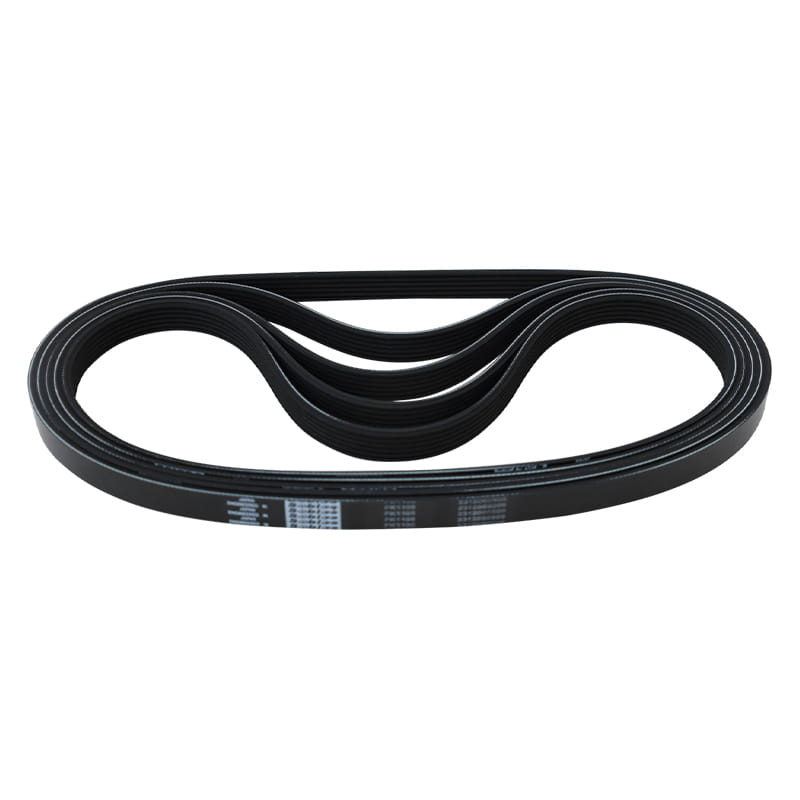
Sabuk berusuk (poly-V belt) dengan lapisan karet menggerakkan alternator, pompa power steering, kompresor AC, dan pompa air sebagai aksesori sistem penggerak. Belt ini harus menyalurkan beban besar ke beberapa puli secara bersamaan saat dijalankan di lingkungan bawah ruangan yang suhunya sering melebihi 100°C.
Aplikasi Jalur Perakitan Kendaraan
Pabrik perakitan otomotif menggunakan ban berjalan berlapis karet secara ekstensif untuk memindahkan badan kendaraan, sub-rakitan, dan komponen melalui bengkel pengecatan, jalur trim, perakitan akhir, dan pemeriksaan kualitas. Sabuk penggerak gesekan di lantai dan sistem troli di atas kepala yang menggunakan elemen penggerak dengan permukaan karet menggerakkan kendaraan yang sebagian sudah selesai dengan kecepatan yang dikontrol secara tepat antar stasiun perakitan, dengan karet memberikan karakteristik slip terkontrol yang diperlukan untuk pengikatan yang mulus dan penanganan yang lembut pada panel bodi yang mahal.
Kegunaan Industri Tekstil dan Pakaian Jadi
Industri tekstil sangat bergantung pada sabuk berlapis karet untuk transmisi tenaga dan penanganan kain di seluruh rantai produksi – mulai dari pemrosesan serat dan pemintalan hingga penenunan, perajutan, pencelupan, penyelesaian akhir, dan manufaktur garmen.
- Mesin rangka pemintal dan mesin ring spinning: Celemek berlapis karet dan roller atas pada sistem peregangan mencengkeram dan melemahkan serat serat dengan tekanan yang presisi dan konsisten saat ditarik ke dalam benang — kekerasan permukaan karet dan penyelesaian permukaan secara langsung menentukan kerataan dan kualitas benang
- Alat tenun tenun: Sabuk karet sinkron menggerakkan mekanisme pelepasan, sistem penyisipan pakan, dan roller pengambil dalam koordinasi fase yang tepat pada kecepatan alat tenun melebihi 1.000 pengambilan per menit pada alat tenun rapier dan air-jet modern
- Transportasi dan penyelesaian kain: Sabuk datar berlapis karet menyalurkan kain melalui rangka stenter, kalender, dan mesin pelapis tanpa menandai atau mengubah permukaan kain, hal ini penting untuk menjaga akurasi dimensi pada tekstil teknis dan kain tenun presisi
- Pemotongan dan penjahitan pakaian: Sabuk pengumpan berlapis karet memajukan lapisan kain di bawah pisau pemotong dan melalui mekanisme mesin jahit dengan kecepatan terkendali, memastikan keakuratan jahitan dan konsistensi pemotongan dalam produksi garmen otomatis
Sabuk Pemrosesan Khusus untuk Aplikasi Industri Khusus
Di luar kategori industri luas yang dijelaskan di atas, belt berlapis karet dirancang untuk berbagai aplikasi yang sangat terspesialisasi di mana produk belt standar tidak dapat memenuhi persyaratan fungsional yang tepat. Belt pemrosesan khusus ini mewakili beberapa aplikasi yang paling menuntut secara teknis di industri.
Contoh jenis sabuk berlapis karet khusus dan aplikasi industri spesifiknya | Tipe Sabuk | Industri | Fungsi Tertentu | Properti Karet Kunci Diperlukan |
| Sabuk pemisah ikan | Pengolahan makanan laut | Sortir, orientasikan, dan kirimkan ikan berdasarkan ukurannya | Ketahanan minyak dan air garam; karet yang aman untuk makanan |
| Sabuk pemotong sayur | Pengolahan makanan | Pegang produk dengan kuat selama pemotongan | Kepatuhan kontak makanan FDA/UE; cengkeraman tinggi |
| Sabuk kulit kacang | Pengolahan kacang/pertanian | Retak cangkang tanpa merusak kernel | Kekerasan dan ketahanan terkendali |
| Sabuk mesin pengepakan tak berujung | Pengemasan | Pengumpanan dan transportasi produk berkecepatan tinggi | Ketahanan lelah pada kecepatan tinggi; stabilitas dimensi |
| Sabuk makan berlapis | Percetakan/penanganan dokumen | Pengambilan dan pengumpanan satu lembar dari tumpukan | Koefisien gesekan yang tepat; konsistensi kekerasan |
| Sabuk berusuk gigi | Sistem penggerak multi-sumbu | Gabungan fungsi sinkron dan V-belt | Akurasi gigi; stabilitas lateral |
| Sabuk karet anti-statis | Lingkungan elektronik/ledakan | Cegah penumpukan muatan statis selama pengoperasian | Resistivitas permukaan <10⁶ Ω (aman ESD) |
Mengapa Lapisan Karet Dipilih Dibandingkan Bahan Permukaan Sabuk Lainnya
Memahami mengapa karet dipilih secara khusus sebagai bahan pelapis sabuk — dibandingkan poliuretan, PVC, kain, atau logam polos — memperjelas sifat unik yang menjadikan sabuk berlapis karet sebagai solusi pilihan di banyak aplikasi.
Karakteristik Genggaman dan Gesekan yang Unggul
Karet memberikan koefisien gesekan yang tinggi pada sebagian besar permukaan — biasanya 0,5–0,8 melawan baja dan 0,6–1,0 terhadap karet dalam kondisi kering — yang membuat sabuk berlapis karet sangat efektif dalam mencengkeram katrol dan material yang diangkut. Koefisien gesekan dapat diatur secara tepat dengan memvariasikan formulasi kompon karet, kekerasan permukaan, dan tekstur permukaan agar sesuai dengan kebutuhan setiap aplikasi.
Elastisitas dan Peredam Getaran
Elastisitas yang melekat pada karet memungkinkannya menyerap dan meredam getaran dan beban kejut yang akan menyebabkan kegagalan kelelahan dini pada material yang lebih kaku. Pada mesin berkecepatan tinggi, kemampuan lapisan sabuk karet untuk menyerap energi getaran mengurangi tingkat kebisingan dan melindungi sabuk dan mesin dari efek kumulatif pembebanan siklik — suatu sifat yang sangat berharga dalam aplikasi pencetakan dan pengemasan di mana getaran mempengaruhi kualitas cetak.
Ketahanan Kimia dan Lingkungan
Kompon karet dapat disesuaikan untuk tahan terhadap lingkungan kimia tertentu. Jenis karet utama yang digunakan dalam pelapis sabuk dan sifat ketahanan utamanya meliputi:
- Neoprena (CR): Ketahanan minyak yang sangat baik, ketahanan kimia yang moderat, ketahanan terhadap cuaca yang baik — banyak digunakan dalam aplikasi industri umum dan otomotif
- EPDM: Tahan terhadap cuaca, ozon, dan UV yang luar biasa — lebih disukai untuk aplikasi konveyor luar ruangan dan di mana terjadi paparan uap
- Nitril (NBR): Ketahanan unggul terhadap oli, bahan bakar, dan gemuk — pilihan standar untuk pelapis sabuk industri otomotif dan oli
- Karet silikon: Ketahanan suhu tinggi yang luar biasa (hingga 200°C terus menerus ) dan kisaran suhu pengoperasian yang sangat luas (-60°C hingga 200°C) — digunakan dalam pemanggangan, oven pengering, dan aplikasi industri bersuhu tinggi
- Senyawa karet food grade: Diformulasikan untuk mematuhi peraturan kontak makanan FDA dan UE — digunakan di semua aplikasi sabuk kontak makanan langsung dalam pemrosesan makanan
Rentang Kekerasan yang Dapat Disesuaikan
Kekerasan lapisan karet dapat ditentukan dalam rentang yang luas — mulai dari Shore A 20 yang sangat lembut (seperti gel, digunakan untuk penanganan produk yang sangat halus) hingga Shore A 90 (hampir kaku, digunakan untuk permukaan transmisi daya beban tinggi) — memberikan para insinyur kontrol yang tepat atas kepatuhan dan karakteristik area kontak permukaan sabuk untuk setiap persyaratan aplikasi spesifik.
Faktor Kunci Saat Memilih Sabuk Berlapis Karet untuk Penggunaan Tertentu
Memilih sabuk berlapis karet yang tepat untuk aplikasi tertentu memerlukan pertimbangan beberapa faktor yang saling terkait. Spesifikasi yang salah dapat mengakibatkan kegagalan dini sabuk, kinerja buruk, risiko kontaminasi, atau kerusakan mesin. Parameter berikut harus dievaluasi secara sistematis:
- Beban dan kecepatan pengoperasian: Daya yang ditransmisikan atau beban yang diangkut menentukan lebar sabuk, ketebalan, dan kekuatan tarik inti yang dibutuhkan. Kecepatan sabuk mempengaruhi pembebanan sentrifugal dan pembangkitan panas pada lapisan karet.
- Lingkungan kimia: Paparan terhadap minyak, air, pelarut, bahan kimia pembersih, atau produk makanan menentukan kompon karet mana yang tepat. Pemilihan senyawa yang salah akan menyebabkan pembengkakan, pengerasan, atau delaminasi lapisan.
- Kisaran suhu: Suhu operasi terus-menerus dan perubahan suhu puncak harus berada dalam kisaran nilai kompon karet. Silikon untuk suhu tinggi; EPDM untuk uap; karet alam standar atau campuran SBR untuk kondisi sekitar.
- Koefisien gesekan yang dibutuhkan: Aplikasi yang berbeda memerlukan tingkat cengkeraman yang berbeda — terlalu banyak gesekan menyebabkan penandaan produk atau keausan sabuk; terlalu sedikit menyebabkan selip dan kehilangan kendali. Tekstur permukaan dan kekerasan karet merupakan variabel kontrol utama.
- Kepatuhan terhadap peraturan: Aplikasi yang bersentuhan dengan makanan, farmasi, atau lingkungan yang mudah meledak memerlukan senyawa karet yang memenuhi standar peraturan khusus — persyaratan kontak makanan FDA, UE, ATEX, atau ESD sebagaimana berlaku.
- Geometri sabuk dan tipe sambungan: Apakah sabuk tersebut tidak berujung (seamless) atau bersendi; tipe sambungan (pengencang mekanis, divulkanisir, diikat); dan kisaran diameter katrol semuanya mempengaruhi fleksibilitas yang dibutuhkan lapisan karet dan radius tikungan minimum.
Tentang Jiangxi Kangqi Industri Co, Ltd.
Jiangxi Kangqi Industrial Co., Ltd. adalah produsen teknologi tinggi yang mengkhususkan diri dalam produksi, penelitian, dan pengembangan sabuk karet sinkron dan sabuk khusus. Perusahaan memproduksi produk dengan merek terkenal SABLES and KML , yang telah mendapatkan pengakuan dari pelanggan di seluruh dunia, dan juga berfungsi sebagai agen resmi untuk Sabuk Bando Jepang.
Sebagai produsen dan pabrik sabuk berlapis karet profesional, rangkaian produk Jiangxi Kangqi sangat luas, mencakup spektrum penuh kebutuhan sabuk industri:
- Sabuk karet sinkron dan timing belt poliuretan
- Sabuk dua sisi dan sabuk datar
- Sabuk pengumpan berlapis dan sabuk bergaris
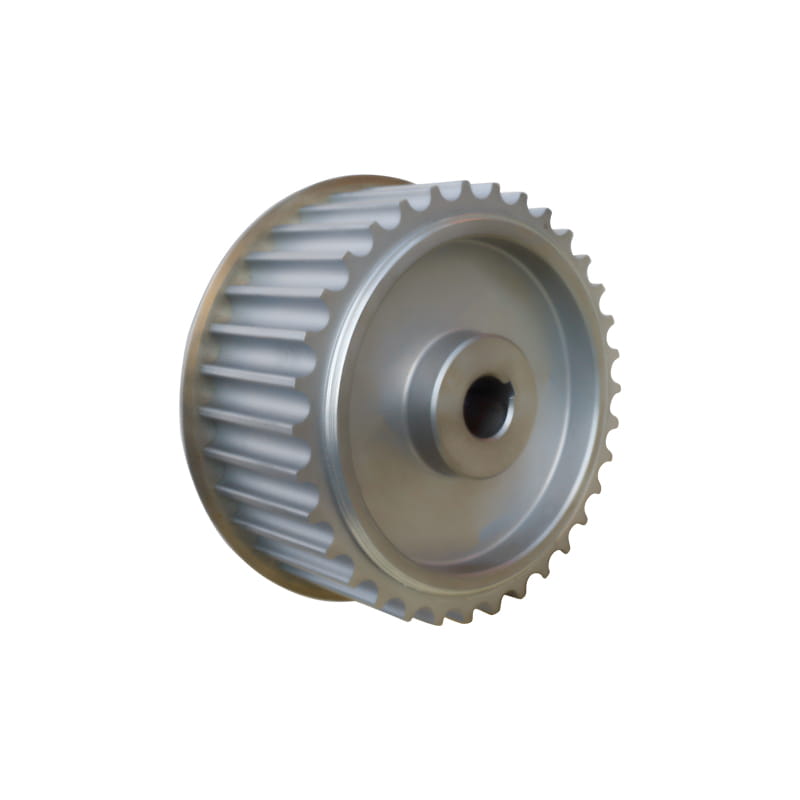
- Sabuk berusuk gigi dan roda sabuk sinkron
- Sabuk konveyor dan sabuk pemisah ikan
- Sabuk tak berujung untuk mesin pengepakan dan pencetakan berkecepatan tinggi
- Sabuk kulit kacang, sabuk pemotongan sayur, dan segala jenis sabuk pengolahan khusus
Dengan keahlian mendalam dalam formulasi kompon karet, teknik konstruksi sabuk, dan teknologi pelapisan permukaan khusus, Jiangxi Kangqi Industrial Co., Ltd. mampu mengembangkan dan memasok solusi sabuk berlapis karet untuk aplikasi industri standar serta persyaratan khusus yang paling menuntut secara teknis di bidang pemrosesan makanan, pengemasan, percetakan, pertanian, dan seterusnya.